 न्यूज़व्यूज़पोस्ट
Inspection and Immediate Proposals
Officials from the Centre for Water Resources Development and Management (CWRDM) conducted a site visit to the Wayanad township in the Elston Estate of Kalpetta on Thursday, November 19, 2026. The purpose of the inspection was to assess the chronic waterlogging and the flow of rainwater into residential units, and to devise a permanent solution before the upcoming monsoon season. The team spent several hours walking the streets, measuring water levels at low‑lying points, and speaking with residents who have repeatedly reported seepage into their homes during heavy rains.
During the field assessment, CWRDM engineers documented the condition of existing drainage channels, identified blockages caused by silt and debris, and mapped the pathways through which surface runoff was entering the settlement. Their technical report highlighted that the current drainage network was undersized for the catchment area and that several culverts were either damaged or completely clogged.
Following the field assessment, the CWRDM team presented a detailed proposal at a meeting held in the district collectorate. District Collector V. Chelsasini instructed the officials to submit a comprehensive report by the following month, outlining specific measures to prevent rainwater ingress and to resolve drainage deficiencies on a priority basis. The Collector emphasized that the timeline must align with the monsoon calendar, noting that any delay could exacerbate the risk of property loss and health hazards.
The proposal included short‑term interventions such as immediate desilting of critical drains, installation of temporary check‑dams to slow runoff, and the provision of sandbags for vulnerable households. It also set out a longer‑term plan involving the redesign of the main drainage corridor, reinforcement of embankments, and the construction of a new storm‑water outlet to divert excess flow away from residential zones.
Funding Allocated for Drainage Works
The meeting also confirmed financial allocations for critical infrastructure. An amount of ₹80 lakh has been earmarked for constructing a new drain along the township bypass, while an additional ₹35 lakh will fund drainage improvements on Rattakkolly Road. These funds are part of the district’s disaster‑mitigation budget and are intended to be released in phases as project milestones are achieved.
The township’s chief operating officer, Rakesh E.T., indicated that administrative sanctions for both projects are expected shortly. He explained that once the sanction letters are issued, the procurement process for contractors will commence, followed by a tendering exercise that prioritises firms with proven experience in hill‑area drainage works.
Local contractors have already expressed interest, noting that the projects will generate employment for skilled masons, laborers, and surveyors from nearby villages. The infusion of ₹115 lakh into the local economy is expected to have a multiplier effect, boosting ancillary businesses such as cement suppliers, transport operators, and equipment rental agencies.
Progress on Rehabilitation Housing
The Wayanad township project, originally intended to rehabilitate survivors of the Mundakkai‑Chooralmala landslides, has already allocated 327 houses in two phases. In the first phase, 178 houses were handed over to beneficiaries. A lot‑drawing exercise in October assigned the second batch of 149 houses, which are slated for occupation by November 30, 2026.
The allocation covered eligible families from Phases 2A and 2B as well as those on the appeal list. Of the 149 houses, 23 are situated in Zone 1, six in Zone 3, 14 in Zone 4 and 106 in Zone 5. These zones correspond to different topographical sections of the township, each with its own set of challenges related to slope stability and access to basic services.
Construction of the second‑phase houses began in early 2026, following a design that incorporates raised plinth levels and waterproofing measures to mitigate future water ingress. Builders have also installed basic drainage pits in front of each dwelling, a step that aligns with the broader drainage upgrade planned by CWRDM.
Why This Matters to Local Residents
Waterlogging has long plagued the Wayanad township, disrupting daily life, damaging property, and increasing the risk of vector‑borne diseases. Stagnant water creates breeding grounds for mosquitoes, heightening the incidence of dengue and malaria during the monsoon months. The planned drainage works aim to protect homes from flood damage, improve road safety, and enhance overall livability.
For families already displaced by landslides, reliable infrastructure is essential for sustainable resettlement and economic stability. When homes remain dry and roads stay passable, residents can maintain their livelihoods—whether that involves farming on nearby terraced fields, running small shops, or commuting to employment hubs in Kalpetta.
Timely completion before the monsoon will reduce emergency repair costs and prevent potential loss of life, reinforcing the district’s broader disaster‑resilience strategy. Moreover, a functional drainage system can increase property values, encourage investment in the area, and serve as a model for other hill‑region settlements facing similar challenges.
What readers should know
- Report any persistent waterlogging or drainage blockage to the district collectorate office.
- Contact the local municipal helpline (112) for immediate assistance during flooding emergencies.
- Stay informed about construction timelines through official notices posted at the township office.
- Beneficiaries awaiting house allocation can check status updates on the district’s official website.
- Participate in community monitoring groups that liaise with CWRDM and the collectorate to ensure transparency and timely progress.
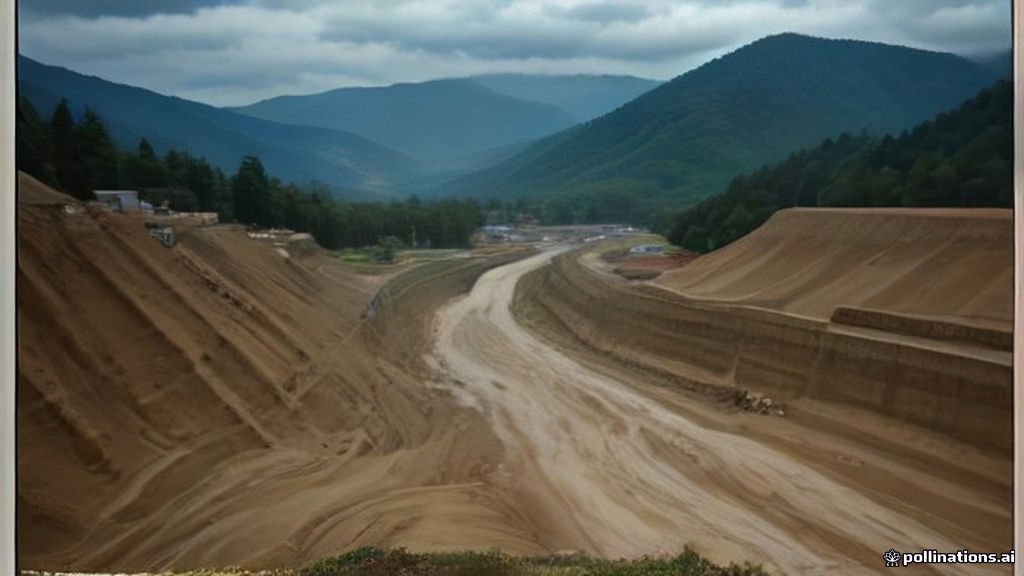
Featured image: representational, AI generated.