 न्यूज़व्यूज़पोस्ट
Project overview and current status
The Kerala Maritime Board (KMB) has yet to commence construction of the multi‑purpose transit yard that was planned for Kozhikode North Beach, despite a series of tendering steps completed between 2024 and 2025. The scheme, covering roughly 2.5 acres of beachfront between the old signal station and Vellayil breakwater, was intended to provide parking for about 200 cars and 50 two‑wheelers, a landscaped promenade, rental kiosks and facilities for water‑based tourism. The location was chosen because it lies on a stretch of shoreline that currently lacks organized parking and is frequented by both locals and visitors during festivals, beach fairs and weekend outings.
Initially conceived in 2021 as a joint effort between KMB and the Kozhikode Municipal Corporation, the project became a KMB‑led initiative after the corporation withdrew, citing technical reasons. The shift to a single‑agency model meant that KMB assumed full responsibility for financing, design and the public‑private partnership (PPP) framework. KMB invited Expressions of Interest in October 2024, set a submission deadline for 16 December 2024, moved to a Request for Proposal stage in August 2025, and opened financial bids in December 2025. Each of these steps was publicly advertised, and a shortlist of potential investors was reportedly prepared, but no official announcement has confirmed the start of construction or the opening of the yard.
The tendering timeline reflects a standard procurement process for large infrastructure projects in Kerala, where feasibility studies, land‑use clearances and stakeholder consultations are required before any ground‑breaking ceremony. The absence of a construction start, however, signals that one or more of these prerequisite conditions have not been satisfied, prompting speculation that the board is either re‑evaluating the design or addressing emerging concerns from the community and regulators.
Opposition from the coastal community
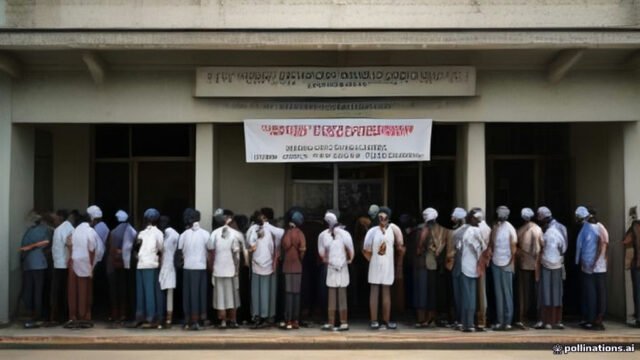
Local resistance has emerged as a major obstacle. The Thodiyil Beach Samrakshana Samiti, representing fishermen and beach‑side residents, has staged protests, arguing that the development would disrupt traditional fishing activities, close existing waiting shelters, and diminish spaces used daily by the fishing community. Protest boards at the site detail these concerns and call for the withdrawal of the proposal. The Samiti’s members have organized daily vigils, held community meetings and submitted formal petitions to the district collector, emphasizing that the beachfront is not merely a recreational zone but a livelihood corridor.
The Samiti also worries that the planned kiosks, promenade and water‑tourism facilities could alter the natural ambience of the beach and interfere with religious rituals performed there. Many local families perform daily prayers and seasonal rites on the sand, and they fear that increased footfall and commercial activity could compromise the sanctity of these practices. Questions have been raised about the project’s environmental clearances, particularly whether it meets the standards of the Kerala Coastal Zone Management Authority (KCZMA). The KCZMA requires a detailed Environmental Impact Assessment (EIA) for any construction within 500 meters of the high‑tide line, and the Samiti alleges that the EIA submitted by KMB does not adequately address potential erosion, waste management or the impact on marine biodiversity.
These objections are not unique to Kozhikode. Similar coastal projects across Kerala have faced pushback when perceived to threaten fishing grounds or cultural heritage. In past cases, courts have intervened to halt construction until comprehensive mitigation measures were put in place, underscoring the legal weight of community and environmental concerns.
Government and administrative perspective
Revenue department sources indicate that the ongoing opposition is creating uncertainty around the project’s implementation. While KMB has completed the investor selection process, the lack of visible construction activity suggests that the board is still addressing community objections and regulatory issues. Officials from the department have hinted that a revised project plan, possibly incorporating a reduced footprint or alternative parking locations, may be under discussion.
Traffic police officials who were involved in the planning phase note that the yard was envisioned to alleviate congestion along the beach, especially during weekends and major public events. They point out that the current ad‑hoc parking arrangement forces vehicles onto narrow coastal roads, leading to traffic snarls, illegal parking and safety hazards for pedestrians. The police have prepared traffic‑management simulations that show a potential 30 % reduction in peak‑hour delays if the transit yard becomes operational.
From an administrative standpoint, the project sits at the intersection of several government bodies: the KMB, the district collector’s office, the KCZMA and the municipal corporation (even though it withdrew). Coordination among these agencies is essential for securing the final environmental clearance, land‑use permission and the PPP contract. Delays in any one of these approvals can stall the entire timeline, which explains the current standstill despite the completion of financial bidding.
Why this matters to Kozhikode residents
For residents of Kozhikode, the stalled transit yard represents both a missed opportunity and a source of tension. On one hand, the promised parking facilities could reduce traffic bottlenecks and support tourism growth, potentially generating local employment in kiosk management, maintenance and water‑sport services. The promenade, if designed with green landscaping, could also provide a recreational space for families and improve the aesthetic appeal of the shoreline.
On the other hand, the fear of losing access to traditional fishing zones and cultural spaces underscores the delicate balance between development and livelihood in coastal communities. Fishermen worry that reduced access to the water could lower their daily catch, affecting food security and household income. Moreover, any alteration to the beach’s natural profile could impact marine life that supports the local fishing industry.
The outcome of this project will influence future public‑private partnerships on Kerala’s shoreline, set precedents for environmental clearances, and shape how local voices are incorporated into urban planning. A transparent resolution—whether it involves redesigning the yard, relocating certain elements, or enhancing community benefits—could serve as a model for reconciling growth with heritage preservation.
What readers should know
- Monitor official announcements from the Kerala Maritime Board for updates on project timelines.
- Residents concerned about environmental or livelihood impacts can raise issues with the Kerala Coastal Zone Management Authority.
- For traffic‑related queries during beach events, contact the local traffic police helpline.
- General assistance for coastal safety and emergencies is available through the national helpline 112.
- Community groups are encouraged to participate in public hearings that are typically scheduled before final clearances are granted.
- Local businesses may benefit from ancillary opportunities such as food stalls or souvenir shops if the project proceeds, but they should also stay informed about licensing requirements.