 न्यूज़व्यूज़पोस्ट
Film sequence sparks worldwide curiosity
The high‑altitude clash between the mythic bird Jatayu and Ravana, showcased in director Nitesh Tiwari’s Ramayana: Part 1, has ignited a wave of online interest that is rapidly turning Chadayamangalam’s Jatayu Earth Center into a trending travel hotspot. Social‑media reels, YouTube memes and travel vlogs are comparing the cinematic visual effects with the massive stone sculpture, drawing millions of views and prompting viewers to add the site to their bucket lists. The scene, which depicts Jatayu attempting to wrest Sita from Ravana’s soaring Pushpak Vimana, is rendered with striking CGI that highlights the bird’s massive wingspan and the dramatic sky‑borne combat. Audiences worldwide have responded with fascination, not only because of the mythological significance but also due to the sheer scale of the visual spectacle.
In the weeks following the film’s release, the hashtag #JatayuEarth trended across platforms such as Instagram, Twitter and TikTok. Content creators have produced side‑by‑side comparisons that juxtapose the film’s digitally enhanced battle with the real‑world stone bird perched on a rocky hill. These comparisons have amplified curiosity among viewers who may never have heard of the legend of Jatayu, turning a regional cultural reference into a global talking point.
About the Jatayu Earth Center
Located in the Kollam district of Kerala, the Jatayu Earth Center features a 200‑foot‑wide bird sculpture perched on a rocky hill. Conceived by filmmaker Rajiv Anchal, it holds the distinction of being the world’s largest bird sculpture. The complex also offers a cable‑car ride, panoramic sunset viewpoints and a visitor centre that showcases the legend of Jatayu from the ancient epic. The sculpture itself is carved from a single granite monolith, a feat of engineering that required years of planning, precision blasting and skilled stone‑carving. Visitors can walk along a specially designed pathway that brings them close to the bird’s outstretched wings, allowing a tactile appreciation of the scale that is difficult to grasp from photographs alone.
Beyond the main monument, the centre incorporates interactive exhibits that explain the moral lessons of the Ramayana, the ecological symbolism of birds in Indian culture, and the technical process behind the sculpture’s construction. The cable‑car, which ascends the hill in a matter of minutes, offers a bird’s‑eye view of the surrounding tea‑plantation‑dotted landscape, making the journey itself an attraction. Sunset viewpoints have become popular spots for photographers, as the fading light casts dramatic shadows across the stone bird, echoing the twilight battle depicted in the film.
Visitor patterns and immediate impact
According to Deepak Sunil, chief executive of the centre, the venue typically welcomes about 2,500 guests per day, rising to roughly 5,000 during peak periods. Historically, nearly nine‑tenths of visitors have come from north India, while local footfall has remained modest. Following the film’s release, online inquiries have surged, indicating that domestic and international tourists are planning trips despite the need for advance booking and higher festival‑season airfares. The centre’s booking platform has reported a 70 % increase in search queries for dates in the upcoming months, a clear signal that the digital buzz is translating into concrete travel intent.
Although the spike in interest has not yet translated into a sudden surge of on‑site arrivals, the management acknowledges that the scale of exposure was unexpected. Preparations are under way to expand crowd‑control measures, upgrade infrastructure and create dedicated facilities that can accommodate larger groups during the upcoming tourist season. Plans include additional ticket counters, multilingual signage, and a temporary pavilion that can host guided tours during peak hours. The centre is also coordinating with Kerala’s tourism department to ensure that emergency services are on standby for larger crowds.
Industry analysts note that such a lag between online hype and physical visitation is common when a cultural site is thrust into the global spotlight. The time required for travelers to arrange visas, secure accommodation and align travel dates often creates a delayed but sustained influx, rather than an immediate flash crowd. This pattern gives the centre an opportunity to fine‑tune its operations before the full wave arrives.
Local response and economic ripple effect
State officials, including Chief Minister V.D. Satheesan, and numerous content creators have amplified the centre’s visibility. The Chadayamangalam panchayat president, K. Sudevan, confirmed that the local body is ready to provide necessary amenities and will coordinate with the centre’s management to resolve logistical challenges. The anticipated influx is expected to benefit nearby hotels, resorts, transport operators and tour guides, thereby strengthening the regional tourism ecosystem. Small businesses such as tea stalls, souvenir shops and local artisans are already reporting higher orders for traditional handicrafts, anticipating a larger customer base.
Travel vloggers are already highlighting ancillary attractions such as the cable‑car experience and sunset vistas, positioning the village as a broader destination rather than a single‑site stop. This broader exposure could transform the modest settlement into a recognized point on the national and international travel map. Local transport providers are expanding their fleets, and the panchayat is exploring the introduction of shuttle services that link the centre with the nearest railway station and bus depot, reducing last‑mile friction for tourists.
Economic projections suggest that a 20 % rise in visitor numbers could generate an additional ₹150 crore in revenue for the district over the next fiscal year, with a significant portion flowing to community‑run enterprises. The local administration is therefore keen to balance growth with sustainability, ensuring that the natural environment surrounding the hill remains protected.
Why this matters to Himachal Pradesh readers
While the story originates in Kerala, it illustrates how popular culture can rapidly reshape tourism dynamics across India. Himachal’s own heritage sites—ranging from hill‑top monasteries to wildlife sanctuaries—stand to gain similar attention if featured in widely viewed media. Understanding the ripple effects of such exposure helps local tourism boards, businesses and communities prepare for sudden demand, invest in sustainable infrastructure and protect cultural assets while capitalising on new visitor revenue. The Jatayu case demonstrates the importance of proactive planning: early engagement with transport agencies, capacity‑building for local vendors, and clear communication of visitor guidelines can turn a fleeting viral moment into a lasting economic boon.
Moreover, the episode underscores the power of digital storytelling. A well‑produced film or viral video can act as a catalyst, prompting travelers to seek authentic, on‑ground experiences that complement what they have seen on screen. Himachal’s tourism promoters can therefore explore collaborations with filmmakers, influencers and streaming platforms to showcase the state’s unique landscapes and traditions.
What readers should know
- Plan trips well in advance, especially during peak festival seasons, as accommodation and transport may fill quickly.
- Check official tourism portals for updated visitor guidelines and any temporary crowd‑management measures.
- Use the national tourism helpline 1800‑11‑2222 for assistance with bookings or travel queries.
- Report any safety or sanitation concerns to local authorities via the 112 emergency number.
- Consider eco‑friendly travel options such as shared shuttles or rail connections to reduce carbon footprints.
- Carry a copy of the centre’s visitor map and be prepared for possible entry time slots during high‑traffic periods.
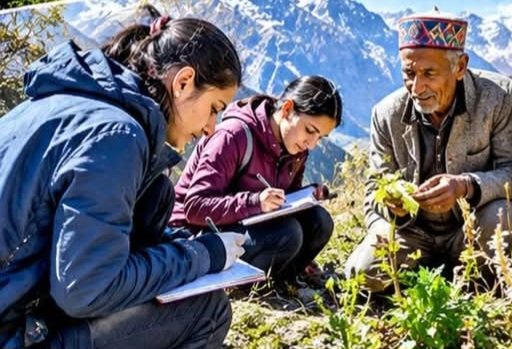
Featured image: representational, AI generated.